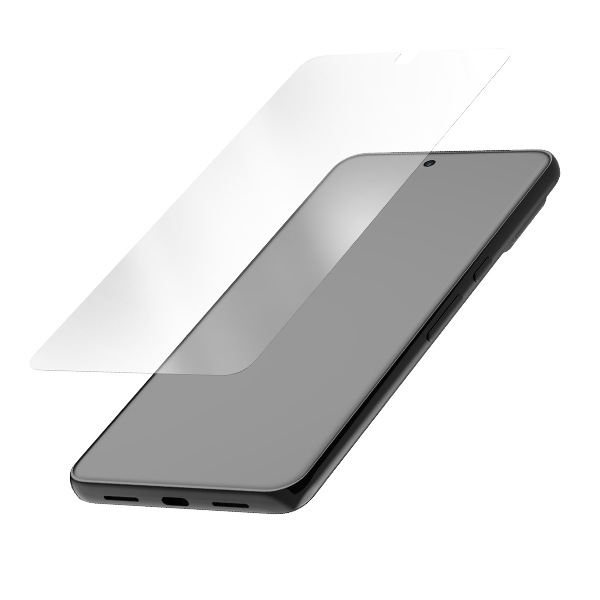
Top 5 Myths About Screen Protectors Debunked
Screen protectors have been a staple accessory for smartphones and tablets, yet several myths persist, leading to confusion among consumers. One common myth is that all screen protectors are created equal; however, this is far from the truth. In reality, there are various types of screen protectors, including tempered glass and plastic films, each offering different levels of protection and durability. Myth #1: All screen protectors are the same. The added protection from a high-quality tempered glass screen protector can significantly reduce the risk of cracks and scratches compared to a basic plastic film.
Another widespread misconception is that applying a screen protector is a simple, mistake-proof process. Many believe that anyone can achieve perfect installation, but this is a false notion. In fact, dust particles and air bubbles can hinder adhesion and leave your screen vulnerable. Myth #2: Screen protectors are easy to apply. Proper installation often requires cleaning the screen meticulously and sometimes the use of installation frames or liquid application to avoid common pitfalls. By debunking these myths, users can make informed decisions and effectively protect their screens.
Counter-Strike is a highly competitive first-person shooter game that has captured the attention of gamers around the world. Players engage in team-based combat, strategically planning their moves to outsmart opponents. As the intensity of gameplay increases, long hours in front of the screen can lead to eye strain. To address this issue, check out the Top 10 Phone Accessories for Eye Strain to find solutions that can help protect your vision while you enjoy your gaming sessions.
How to Choose the Right Screen Protector for Your Device
When it comes to protecting your device, choosing the right screen protector is crucial. There are several types available, each offering different levels of protection and features. First, consider the materials used: tempered glass screen protectors are known for their durability and clarity, while plastic films are thinner and often more affordable. Additionally, it's important to assess the level of scratch resistance you need based on your usage habits. For those who frequently carry their devices in pockets or bags, a higher grade of protection like tempered glass might be the best choice.
Next, think about additional features that may enhance your user experience. Some screen protectors come with anti-glare coatings, which can be beneficial in bright environments, while others may offer blue light filtering to reduce eye strain. Don’t forget to check for easy installation options, as some protectors come with installation kits to prevent bubbles and ensure a perfect fit. Ultimately, by evaluating the types, materials, and features, you can make an informed decision on the right screen protector for your device.
Are Bubbles and Scratches Worth the Trade-off for Clarity?
When considering whether bubbles and scratches are worth the trade-off for clarity, it’s important to evaluate the context in which clarity is needed. For instance, in high-precision optical instruments or high-end display screens, any imperfection—no matter how minor—can significantly impact quality. Users often debate whether the improved clarity of a screen is worth the risk of enduring these imperfections. It’s vital to weigh the costs of replacement or repair against the benefit of enhanced visibility.
On the other hand, in everyday settings such as casual use, the presence of bubbles and scratches may not be as detrimental. Many consumers find that the trade-off is acceptable when the device still provides adequate clarity without a hefty price. Therefore, the decision hinges on personal priorities: Is flawless clarity paramount, or is usability the primary concern? Understanding your needs will ultimately guide your decision-making process.