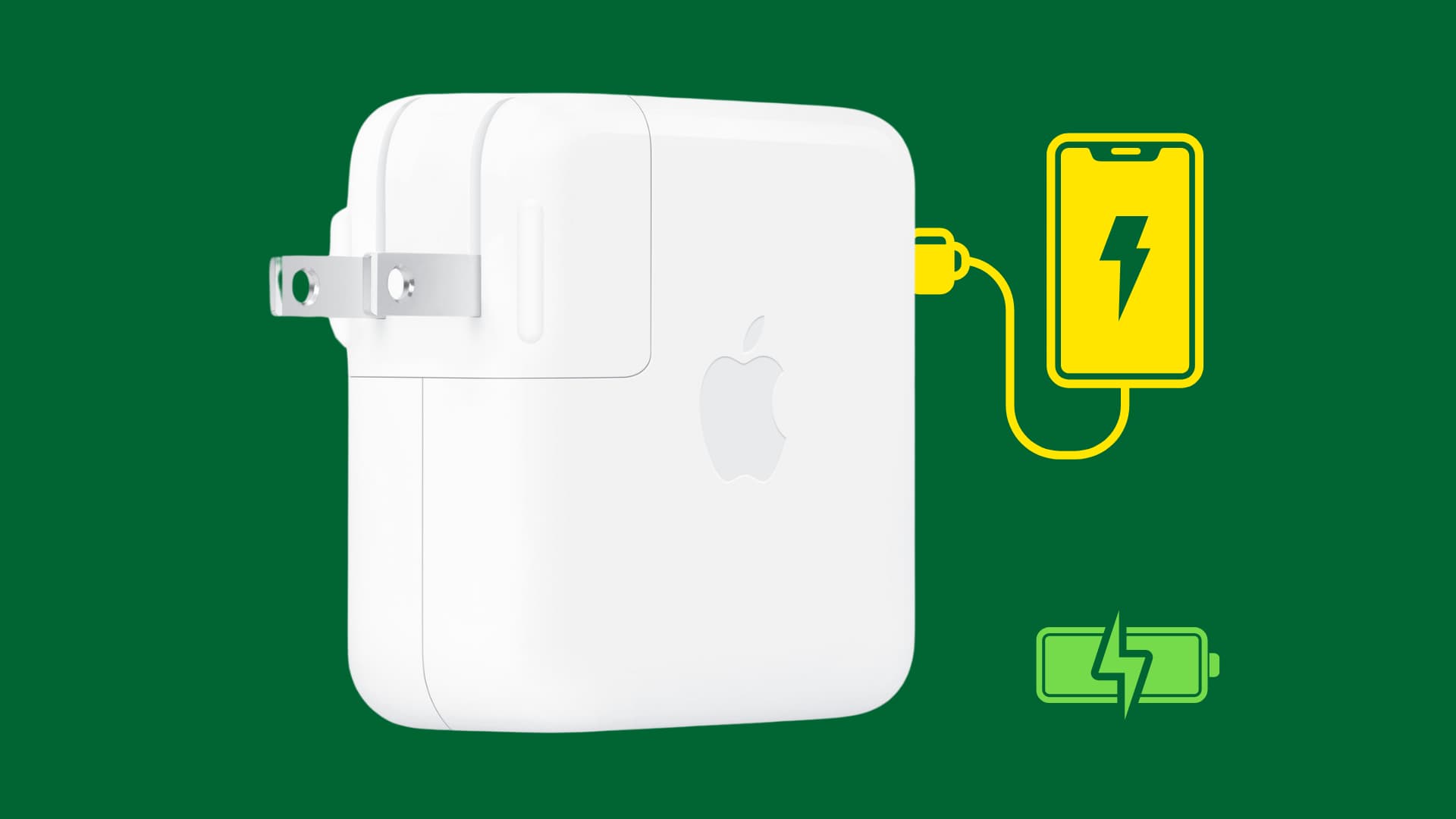
The Truth Behind Fast Charging: What You Need to Know
The Truth Behind Fast Charging has become a buzzworthy topic among tech enthusiasts and everyday smartphone users alike. As devices become more capable, the demand for quick power replenishment grows. Fast charging technology allows devices to acquire a significant amount of battery life in a short period of time. This is accomplished through increased voltage and current, enabling faster delivery of energy to the battery. However, while it may seem convenient, there are critical factors to consider, such as device compatibility and long-term battery health.
One common misconception is that all fast chargers are the same. In reality, there are multiple standards, including Qualcomm Quick Charge, USB Power Delivery (PD), and proprietary technologies by brands like Apple and Samsung. Each of these systems has different power outputs and may vary in efficiency. For instance, fast charging can generate more heat, which can be detrimental to the battery over time. Therefore, it is essential to use the right charger and cable to ensure that you are maximizing both speed and safety when boosting your device’s battery life.
Counter-Strike is a popular multiplayer first-person shooter game that has been a staple in esports for years. Players join either the terrorist or counter-terrorist teams to complete objectives and eliminate the opposing team. For those looking for reliable power solutions during long gaming sessions, you might find the Top 10 magsafe power banks handy to keep your devices charged.
Fast Charging vs. Standard Charging: Debunking Common Misconceptions
When it comes to charging your devices, fast charging is often touted as the ultimate time-saving solution. However, many users harbor misconceptions about what it truly entails. One common myth is that using a fast charger will damage your device's battery life. In reality, modern technology includes built-in protections that regulate power flow, ensuring safe charging. Fast charging typically delivers higher wattage, allowing your device to reach higher capacity levels quicker, but this is managed carefully to prevent overheating or degradation of battery health.
Another misconception is that standard charging is significantly safer than fast charging. While it is true that slower charging reduces heat generation, the difference in safety is often overstated. Both methods have their advantages, depending on usage needs. For instance, fast charging is perfect for quick top-ups during short breaks, while standard charging can be more suitable for overnight charging without the need for speed. Understanding these nuances helps users make informed decisions about their charging habits and how they affect device longevity.
Is Fast Charging Bad for Your Battery? Let's Find Out
Fast charging technology has become a standard feature in modern smartphones and devices, promising quick power-ups to minimize downtime. However, there is a prevailing concern among users about whether fast charging could be harmful to the battery's overall health. The truth is, while fast charging does generate more heat than traditional charging methods, most manufacturers have designed their devices with built-in safeguards. These precautions help to manage heat levels and regulate the charging speed, so in general, fast charging is not damaging when used correctly.
That said, frequent use of fast charging could potentially lead to long-term battery performance issues. Over time, the added stress from rapid power intake can accelerate battery wear, causing a decline in capacity. To extend your battery's lifespan, it may be wise to utilize conventional charging methods when possible, especially overnight. Ultimately, understanding the dynamics of your device's battery and how fast charging affects it can help you make informed decisions to keep your device running smoothly.