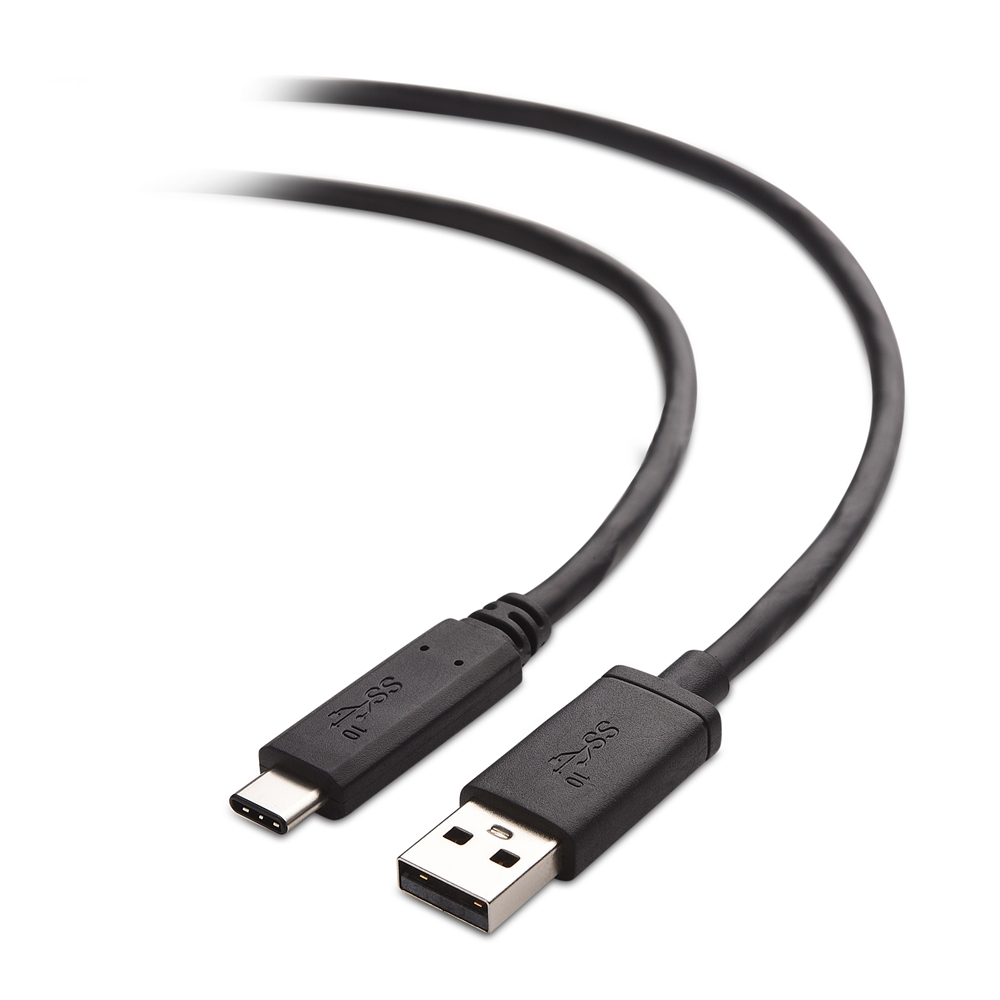
How Charging Cables Work: The Journey from A to C
Charging cables are essential tools that facilitate the transfer of electric energy from a power source to electronic devices. The journey begins at the power outlet, where alternating current (AC) is generated. When a user plugs in a device, the cable converts this AC into direct current (DC), which is suitable for most gadgets, including smartphones and laptops. Inside the cable, conductive materials like copper wire play a crucial role in efficiently transmitting this electrical energy over a range of distances. Thereafter, the device receives the DC power through a connector, ensuring that the energy is safely delivered to its battery.
Moreover, charging cables come with various connectors designed for compatibility with different devices, such as USB-C, Lightning, and Micro USB. Each connector type not only serves a functional purpose but also signifies the latest in charging technology advancements. For example, USB-C has become the universal standard due to its reversible design and capability to support faster charging speeds. Additionally, features like built-in data transfer capabilities and power delivery specifications help enhance the user experience, making these cables indispensable in today's tech-driven world.
Counter-Strike is a popular tactical first-person shooter game that has captivated gamers worldwide since its release. Players can choose to be part of the counter-terrorist or terrorist teams, engaging in team-based missions that require strategic planning and quick reflexes. For those looking to optimize their gaming setup, check out the Top 10 macbook docks to enhance your experience and performance while playing.
Exploring the Hidden Life of Your Charging Cables
When we think about the technology that powers our devices, we often overlook the unsung heroes: our charging cables. Exploring the hidden life of your charging cables reveals fascinating insights into their construction, maintenance, and ultimate lifespan. These cables not only serve as conduits for electrical energy but also bear witness to our everyday habits—how often we charge, the types of devices we use, and even our cable management practices. Understanding their wear and tear can help you make informed decisions on how to care for them, ensuring they last longer and provide optimal performance.
Moreover, the environmental impact of discarded charging cables is significant. Each year, millions of cables are thrown away, contributing to electronic waste. Many consumers are unaware that exploring the hidden life of your charging cables can also mean learning about eco-friendly alternatives and sustainable practices. For example, recycling old cables and opting for high-quality, durable replacements can reduce waste. Additionally, integrating proper handling techniques into your daily routine—like avoiding sharp bends and storing them correctly—can extend their life span, making your tech experience more sustainable.
What Factors Affect the Performance of Charging Cables?
The performance of charging cables is influenced by several critical factors. First and foremost, the cable material plays a significant role; cables made with higher quality materials tend to have less resistance, which allows for faster charging speeds. Additionally, the gauge of the wire is essential; thicker wires (lower gauge numbers) can carry more current without heating up excessively. Other elements, such as the length of the cable and the presence of any connectors or adapters, can further impact performance. Longer cables are generally less efficient, as they can result in increased resistance and energy loss.
Moreover, the design of the cable itself can affect its durability and efficiency. Cables that are engineered with shielding can reduce interference and noise, leading to more stable performance. It’s also important to consider the charging standards supported by the cable, such as USB Power Delivery or Quick Charge technology, as these can enhance charging efficiency. In summary, when evaluating the performance of charging cables, pay attention to factors like material quality, gauge, length, design, and compatibility with charging protocols to ensure optimal charging speed and reliability.