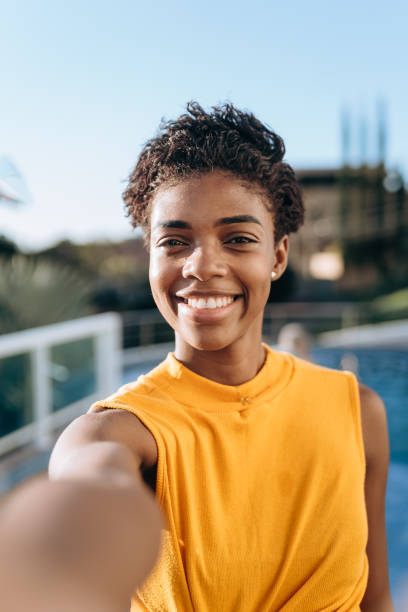
The Psychology Behind Selfies: How They Boost Your Confidence
The phenomenon of selfies is more than just a social media trend; it taps into our psychological need for self-expression and validation. When individuals take selfies and share them online, they often experience a boost in their confidence levels. This is because selfies allow us to curate our own image, presenting the version of ourselves we wish to showcase. Research indicates that receiving likes and positive comments on these images can trigger the release of dopamine, a neurotransmitter associated with pleasure and reward, further reinforcing this behavior.
Moreover, the act of taking a selfie encourages self-reflection. Individuals are often more aware of their appearance and mood at the moment of capturing the image, which can lead to improved self-esteem. By examining their own expressions and choices through selfies, people cultivate a sense of self-acceptance and awareness. In a way, selfies serve as modern-day mirrors, allowing us to not only see our identities but also embrace our **flaws** and **uniqueness**. Ultimately, the psychology behind selfies highlights how such simple acts can significantly impact our confidence and self-perception.
Counter-Strike is a highly popular first-person shooter game that has captivated gamers since its initial release in 1999. Players engage in team-based gameplay, where they can take on the roles of terrorists or counter-terrorists. The game emphasizes strategy, teamwork, and skill, making it a staple in the eSports community. For those looking to enhance their gaming experience, check out the Top 10 iphone tripods which can be a great accessory for mobile gaming setups.
Are Selfies Redefining Self-Esteem in the Digital Age?
In the digital age, selfies have become a ubiquitous form of self-expression, prompting a noteworthy shift in how individuals perceive their own self-esteem. As people curate their online identities through carefully selected images, the instant feedback from social media platforms can often validate or undermine their sense of worth. Studies suggest that the number of likes and comments received on a selfie can significantly influence an individual's mood and self-image, making it clear that our interactions in the digital realm can profoundly impact our mental health.
However, this phenomenon is not without its drawbacks. The pressure to constantly present a flawless image can lead to a cycle of comparison, particularly among young adults and teenagers. As they scroll through seemingly perfect selfies of their peers, it becomes easy to fall into the trap of self-doubt and insecurity. To combat this, it is essential for individuals to cultivate a balanced perspective on self-esteem that embraces authenticity over perfection. By encouraging genuine self-acceptance, we can foster a healthier relationship with our digital selves and recognize that true worth extends far beyond the frame of a selfie.
The Role of Social Media in Turning Selfies into Confidence Currency
In today's digital landscape, social media functions as a formidable platform for self-expression, and this is particularly evident in the rise of the selfie culture. Selfies, once considered mere snapshots, are now evolving into a form of confidence currency, a term that encapsulates the value we derive from how others perceive us online. As people share their selfies across various social media platforms, they often receive instant feedback in the form of likes, comments, and shares. This immediate validation can significantly enhance one’s self-esteem, making people feel more confident about their appearance and personal identity. Consequently, individuals start to curate their online personas meticulously, using filters and editing tools to present the best versions of themselves, thereby increasing their perceived social value.
The interplay between social media and self-esteem not only highlights the role selfies play in building confidence but also raises questions about authenticity and mental health. As users strive for approval through likes and followers, they may inadvertently foster dependency on external validation, blurring the lines between genuine self-worth and social media metrics. It's essential for content creators and influencers to promote a balanced view of selfies and their impact on confidence currency. By sharing authentic content and embracing flaws, they can encourage their followers to appreciate their true selves, ultimately transforming social media from a platform of superficiality into a source of empowerment and confidence.